This One Daily Habit May Improve Sleep, Mood & Stress Levels

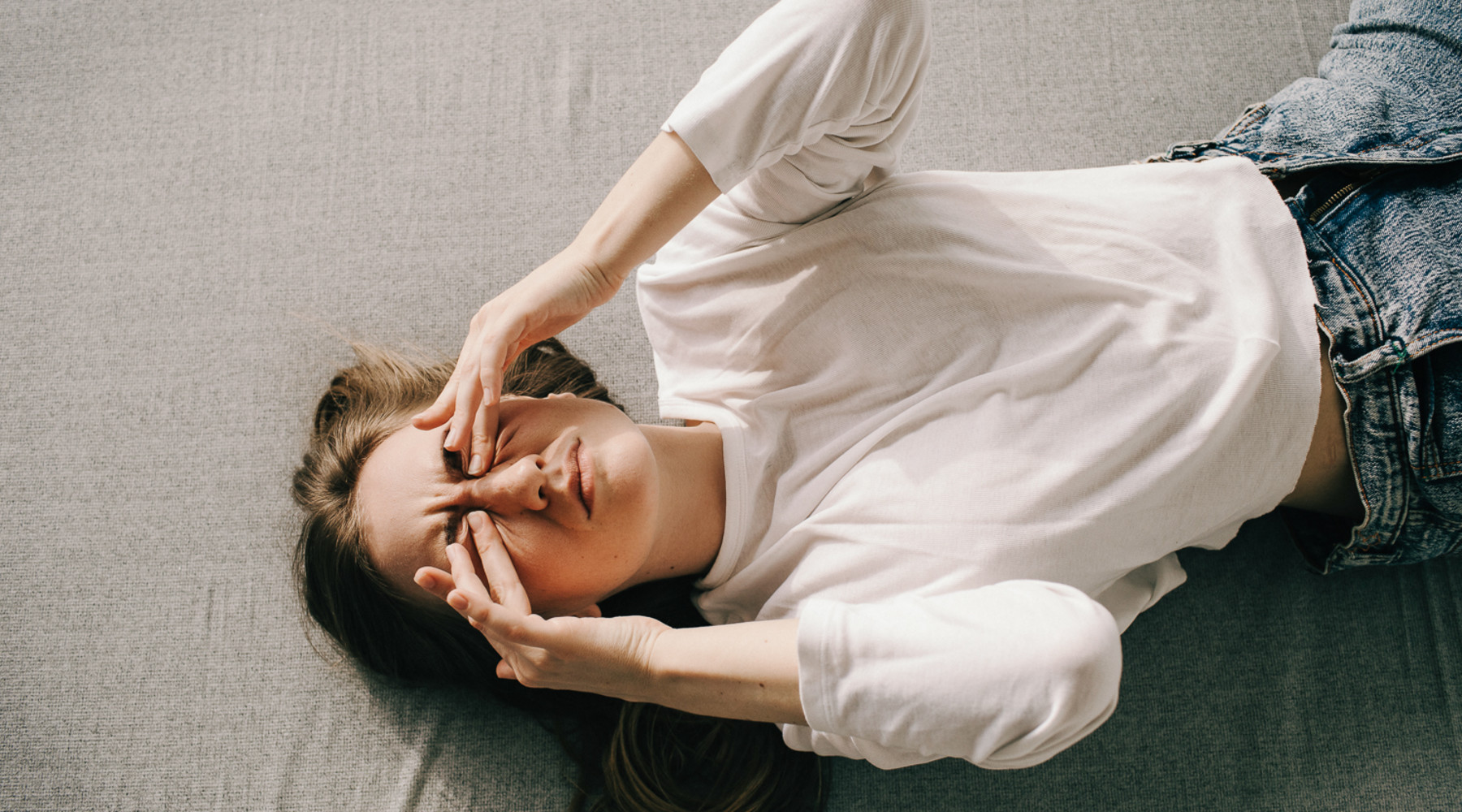
It’s typically after long days traveling or one too many hours at my desk that I crawl into bed and sleep escapes me. I'm tired, but not sleepy. A little restless.
For the longest time, I didn’t connect the dots. I would just lie there, mildly annoyed that I couldn't fall asleep despite feeling exhausted. But over time, I started noticing a pattern. The days when I'd barely moved, whether because of travel, deadlines, or simply sitting too long, were often followed by nights spent tossing and turning.
As it turns out, that connection may not be a coincidence—and researchers are seeing the same pattern.
Steps, sleep & mental health
This recent study1 followed 217 college students from two universities over a 14-day period. Participants wore activity trackers to measure daily step counts and completed daily surveys about their sleep and mental health. Researchers looked at several markers of sleep, including sleep quality, sleep timing, sleep duration, and sleep efficiency, alongside measures of anxiety, depression, and stress.
What makes the study interesting is that it examined how movement and sleep show up in real life rather than inside a controlled laboratory. Researchers were able to observe how people's daily habits naturally interacted over time.
More daily steps = better sleep & mental health
The researchers found that students who averaged more steps throughout the day tended to report better sleep quality and fewer symptoms of anxiety, depression, and stress. They also tended to have earlier sleep timing, which is important because when you sleep may matter almost as much as how much you sleep. People who regularly stay up very late and sleep in late often report poorer mental health outcomes, even when total sleep duration is similar.
Perhaps the most encouraging finding, though, was what researchers didn't find.
They couldn't identify a specific step count where benefits suddenly kicked in. There was no magic number. For years, we've treated 10,000 steps like a finish line. This study suggests it may be more helpful to think of movement as a spectrum.
The more steps people accumulated throughout the day, the better their sleep and mental health tended to be. In other words, every extra walk around the block, trip up the stairs, or lap around the office may be contributing more than we realize.
Walking is one of the most underrated sleep tools
One reason walking may influence sleep is that movement helps regulate your circadian rhythm, the body's internal clock that controls sleep and wake cycles. This is especially true when some of those steps happen outdoors.
A morning walk combines two powerful signals for your brain: physical activity and natural light exposure. Both help reinforce your body's understanding of when it's time to be awake and when it's time to wind down later that night.
Movement can also help reduce stress, improve mood, and create a healthier level of physical fatigue by bedtime, all of which support better sleep quality.
The relationship works both ways. Better sleep often makes people more likely to move the next day, creating a positive cycle that benefits both physical and mental health.
The takeaway
You don't need to clock 10k steps to support your sleep. Sometimes the answer is much simpler. A few more walks. A few more opportunities to move throughout the day. A few more reasons to get outside. Those steps may be doing more for your sleep, mood, and long-term health than you realize.