This Simple Health Metric May Be One Of The Most Important For Longevity

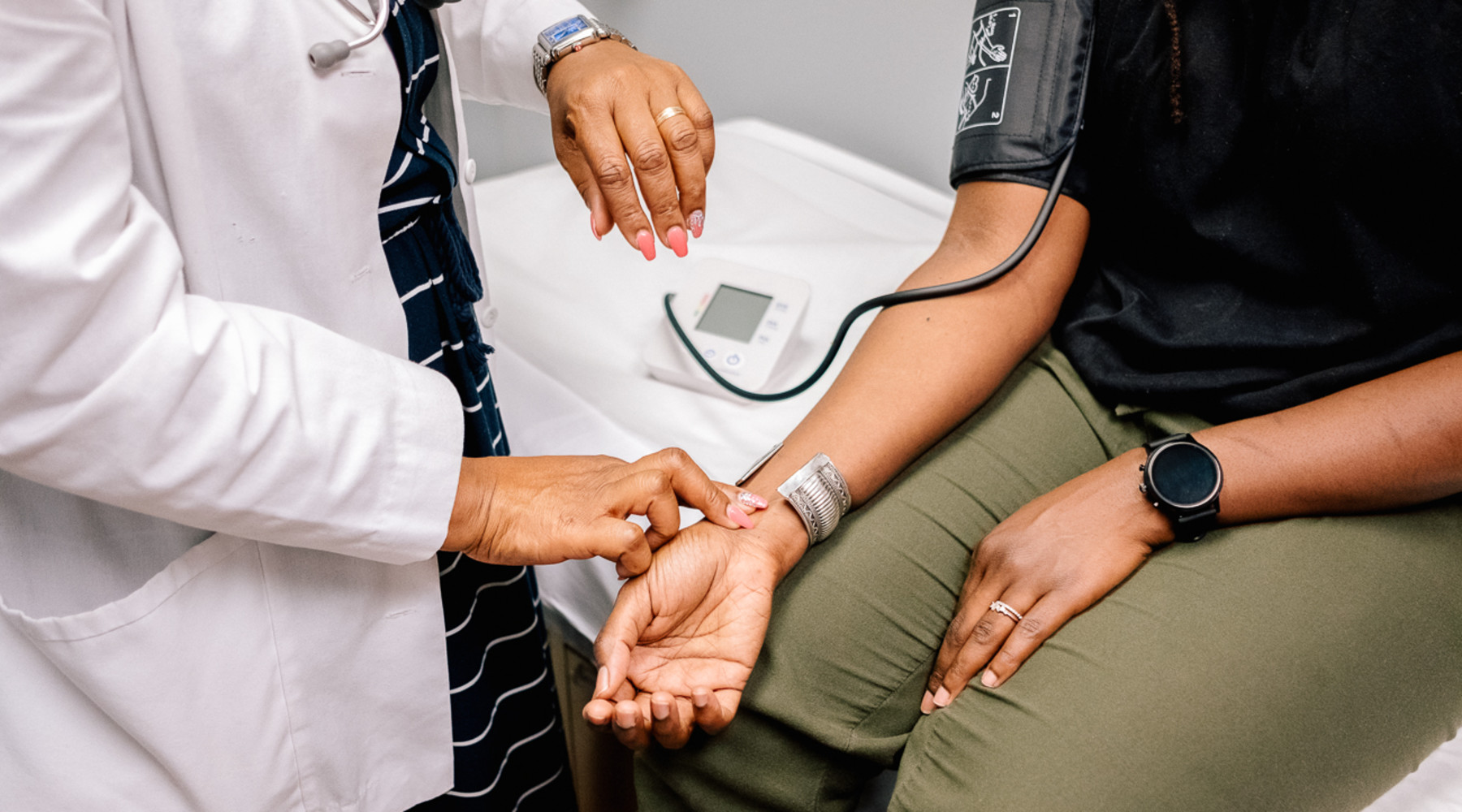
We spend a lot of time thinking about the health metrics we can track. Steps, sleep scores, heart rate variability, VO2 max, and blood sugar have all become part of the longevity conversation. But there's one number that deserves just as much attention, and you probably only think about it when you're sitting in a doctor's office.
Unlike your resting heart rate or daily step count, blood pressure isn't something most of us check regularly. And because high blood pressure rarely comes with obvious symptoms, it's easy to assume everything is fine.
But knowing your numbers, and taking action when they're elevated, may be one of the most important things you can do for your long-term health.
How preventive care could save lives
New research presented at the American Heart Association's Hypertension Scientific Sessions 2026 looked at a pretty interesting question: How many lives could we save if more people received the preventive health care they needed?
To find out, researchers looked at health data from 20 countries where chronic diseases account for a large number of deaths. They focused on six areas of preventive care, including managing high blood pressure, cholesterol, and blood sugar, as well as screening for colorectal, breast, and cervical cancers.
Then, they ran the numbers to see what would happen if 80% of people who needed these services actually received them. For blood pressure specifically, they looked at how many lives could be saved if more people got their readings below 140/90 mmHg.
One thing to keep in mind: The researchers used existing data to estimate how many deaths could potentially be prevented, rather than testing these changes in real patients. The findings are also preliminary and haven't yet been peer-reviewed.
Better blood pressure control could prevent more than 518,000 deaths annually
Of all six preventive services researchers examined, improving blood pressure treatment had the greatest estimated impact on preventing deaths.
Only about 20% of adults with hypertension had their blood pressure adequately controlled. If that percentage increased to 80%, the researchers estimated that more than 518,000 cardiovascular deaths could be prevented each year across the 20 countries.
For comparison, expanding cholesterol treatment with statins could prevent approximately 341,000 deaths annually, while improving blood sugar management in people with diabetes could prevent around 310,000.
Why does blood pressure matter so much?
When your blood pressure stays elevated, your heart has to work harder to pump blood through your body. Over time, that extra pressure can damage blood vessels and increase your risk of heart disease, stroke, and heart failure.
High blood pressure is also associated with cognitive decline and dementia, making it relevant to brain health as well as cardiovascular health. And because you can have elevated blood pressure for years without feeling any different, waiting for symptoms isn't a reliable strategy.
How to keep your blood pressure in a healthy range
You don't need to wait until your next annual physical to start paying attention to your blood pressure. Here are a few practical places to start:
- Know your numbers. Get your blood pressure checked at a medical appointment or with a validated home monitor. In U.S. guidelines, normal blood pressure is below 120/80 mmHg, while readings consistently at or above 130/80 warrant a conversation with your clinician.
- Move regularly. Strength training, walking, cycling, swimming, and other forms of aerobic exercise can help lower blood pressure over time.
- Pay attention to your diet. Eating more fruits, vegetables, beans, whole grains, and potassium-rich foods while reducing excess sodium can support healthier blood pressure.
- Prioritize sleep and recovery. Poor sleep and chronic stress can contribute to elevated blood pressure, making consistent sleep and stress management worthwhile.
- Follow through on treatment. If you've been diagnosed with hypertension, lifestyle habits may help, but medication is often necessary. Work with your clinician to find an approach that keeps your readings controlled.
The takeaway
It's easy to focus on the latest longevity metric while overlooking one of the most established indicators of cardiovascular health.
This research suggests that better blood pressure management could have an enormous impact on preventing premature deaths. And while the estimates are preliminary, decades of research already support the benefits of treating hypertension.
Sometimes, one of the most valuable things you can do for your future health is pay attention to a number that's been around long before fitness trackers.